Plastic and glass bottles serve as essential containers in the packaging industry, particularly for sauces, condiments, beverages, and various food products. These packaging solutions not only ensure product safety but also enhance shelf life and user convenience. The increasing demand for eco-friendly packaging options has led to a growing interest in both plastic and glass packaging solutions in the food industry at. packaging store near me near me.
When seeking options for packaging, many customers often inquire about locations for and similar resources. By understanding the differences between plastic and glass bottles, businesses can make informed choices that align with their brand ethos and customer preferences.
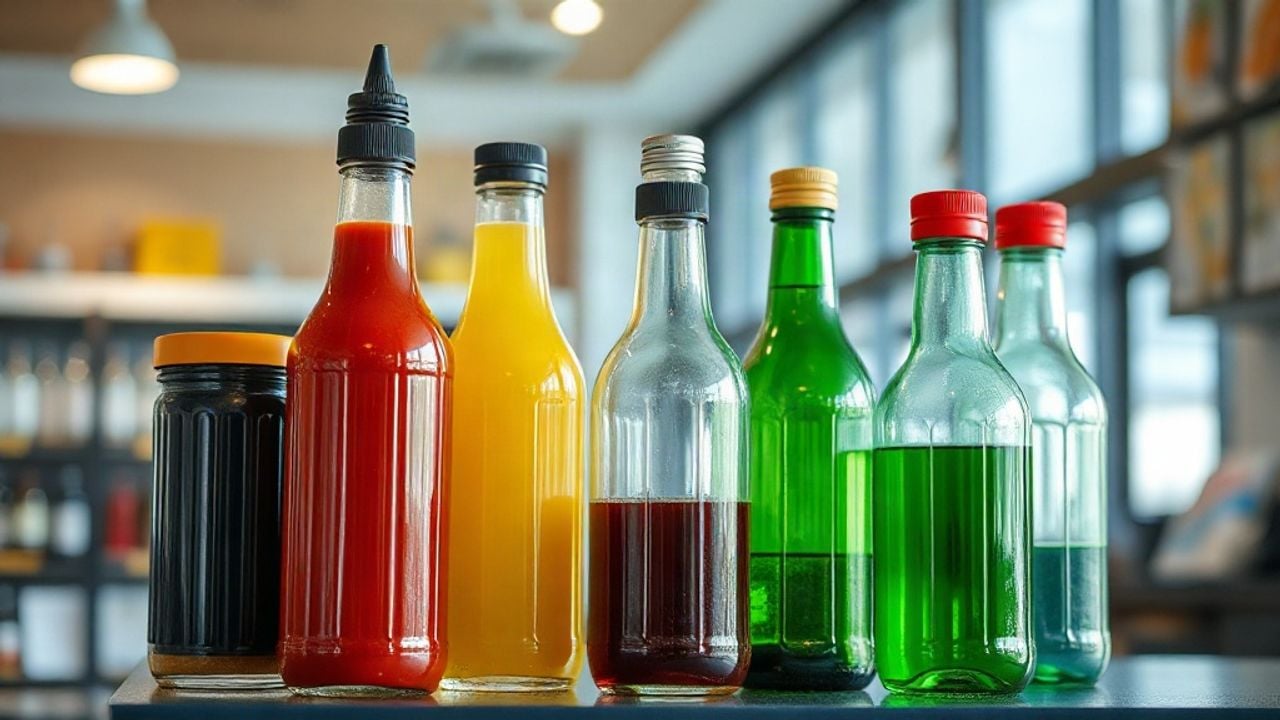 empty water bottles for sale guidepacking material near me
Plastic Bottles Demystified
Widely used in the food and beverage industry, plastic bottles are recognized for their lightweight and adaptable features. Commonly composed of materials like polyethylene (PE), polypropylene (PP), and polyethylene terephthalate (PET), these bottles come with distinct characteristics that suit various functions.
PET is predominantly used for soft drinks and water bottles owing to its top-notch barrier characteristics and clarity that provides visible product access. In contrast, polypropylene is often the go-to choice for products that need to withstand high temperatures, such as sauce containers. Furthermore, 330ml plastic bottles are frequently sought after in wholesale markets as they meet the needs of various beverages and condiments, catering to smaller quantities that are advantageous for both buyers and sellers.
Advantages and Challenges of Plastic Bottles
Among the numerous advantages of plastic bottles are their affordability and straightforward production processes. Producing plastic generally requires less energy than glass, making it a more efficient option. Additionally, plastic bottles are not prone to shattering, which enhances safety during transport and use in settings such as restaurants or outdoor activities. However, the ecological effects of plastic usage are an important consideration. There is a growing trend among consumers towards the search for alternative materials or biodegradable options.
Moreover, the disposal of plastic bottles remains a pressing issue, underscoring the necessity for recycling and waste management systems that can effectively deal with the rising problem of plastic waste in the environment.
The Advantages of Glass Bottles
For many manufacturers and consumers, glass bottles are a staple due to their resilience and sophisticated appearance. Being chemically inert, glass ensures that no harmful substances seep into the products inside, thus preserving the quality of sauces, oils, and drinks. A significant number of customers opt for glass packaging for condiments and sauces as it enhances flavor preservation and extends shelf life.
Moreover, glass containers are entirely recyclable, and the recycling process allows glass to be reused endlessly without compromising its integrity. This characteristic appeals strongly to brands focused on sustainability, appealing to consumers who value eco-friendliness. However, the heavier weight and fragility of glass bottles do pose challenges, leading to increased shipping expenses and a greater likelihood of breakage during transit.
Businesses that specialize in sauce production often face various packaging dilemmas, balancing aesthetics, expenses, and practicalities. The decision to use plastic versus glass containers largely copyrights on product attributes, target audience preferences, and transportation logistics.
Choosing Suitable Packaging
When evaluating packaging options for sauces, condiments, and beverages, it is vital to carefully assess multiple factors. An effective approach guarantees that the chosen materials meet the product's needs while conforming to industry regulations.
The first factor to take into account is the longevity and stability of the product. For instance, vinegar-rich sauces often perform better in glass containers to prevent any potential chemical interactions. In contrast, when it comes to high-volume, cost-effective products, the advantages of using plastic bottles can be significant.
Additionally, cost remains a primary consideration while deliberating between glass and plastic choices. The availability of 330ml plastic bottles at wholesale rates provides a notably reduced unit cost, proving advantageous for bulk production. However, businesses should also consider the delicate balance between cost effectiveness and the perceived value among consumers, particularly in markets where the packaging is a key factor in their purchasing decisions.
Lastly, packaging strategies are paramount, as the right branding and labeling can heavily sway consumer behavior.
Best Practices for Bottle Packaging
Utilizing high-quality materials and designing eye-catching labels can significantly impact the success of your food products in the market. A strategic approach will help you differentiate your offerings from competitors.
- Opt for low-cost, high-quality suppliers, especially if you’re sourcing 330ml plastic bottles wholesale.
- Ensure all materials comply with food-grade regulations to guarantee consumer safety.
- Incorporate eco-friendly designs that attract environmentally conscious buyers.
- Personalize your product line with unique bottle shapes or colors to stand out on the shelf.
- Regularly revisit and revise your packaging strategy based on consumer feedback and market shifts.
Steps for Selecting the Right Packaging
- Identify Product Requirements: Analyze the specific needs of your sauce or beverage, including the viscosity, acidity, and shelf life.
- Understand Market Trends: Research market preferences and environmental trends in packaging to better align your product with consumer demand.
- Evaluate Cost: Compare prices between plastic and glass options, including production, shipping, and storage expenses.
- Test Compatibility: Conduct tests for packaging material compatibility with your product to ensure safety and quality.
- Consider Sustainability: Decide whether to choose recyclable or biodegradable materials based on your brand’s environmental goals.
- Design Effective Branding: Collaborate with designers to create attractive labels and packaging designs that catch consumer attention and convey your brand message.
Frequently asked questions
What are the benefits of using plastic bottles?
Plastic bottles are lightweight, shatterproof, and usually cheaper to produce compared to glass. They offer convenience for everyday use, although they have a higher environmental impact.
Are glass bottles better for food products?
Yes, glass bottles are preferred for many food products due to their inert properties, which prevent chemical leaching, thus preserving flavor and freshness.
How do I choose between plastic and glass packaging?
Consider factors such as product type, cost, sustainability goals, and consumer preferences. Perform market research to identify what aligns best with your brand.
What is typically included in 330ml plastic bottles wholesale?
These wholesale options usually include a bulk supply of standard-sized bottles suitable for beverages or condiments, often at a reduced cost compared to individual purchases.
How can I improve my bottle packaging?
Focus on using high-quality materials, engaging designs, and eco-friendly options. Solicit consumer feedback to drive improvements in design and functionality.
Are there any standards for food packaging materials?
Yes, food packaging materials are subject to regulations set by food safety authorities, which ensure they are safe for contact with food and beverages. It's essential to comply with these standards.
Ultimately, selecting the appropriate bottle type for sauces, condiments, beverages, and food packaging requires thoughtful evaluation of numerous aspects. Both plastic and glass present distinct advantages and disadvantages that must correspond with your brand's objectives and consumer preferences.
Through a strategic analysis of materials, expenses, and design, companies can boost the attractiveness of their products and secure a successful presence in the market.